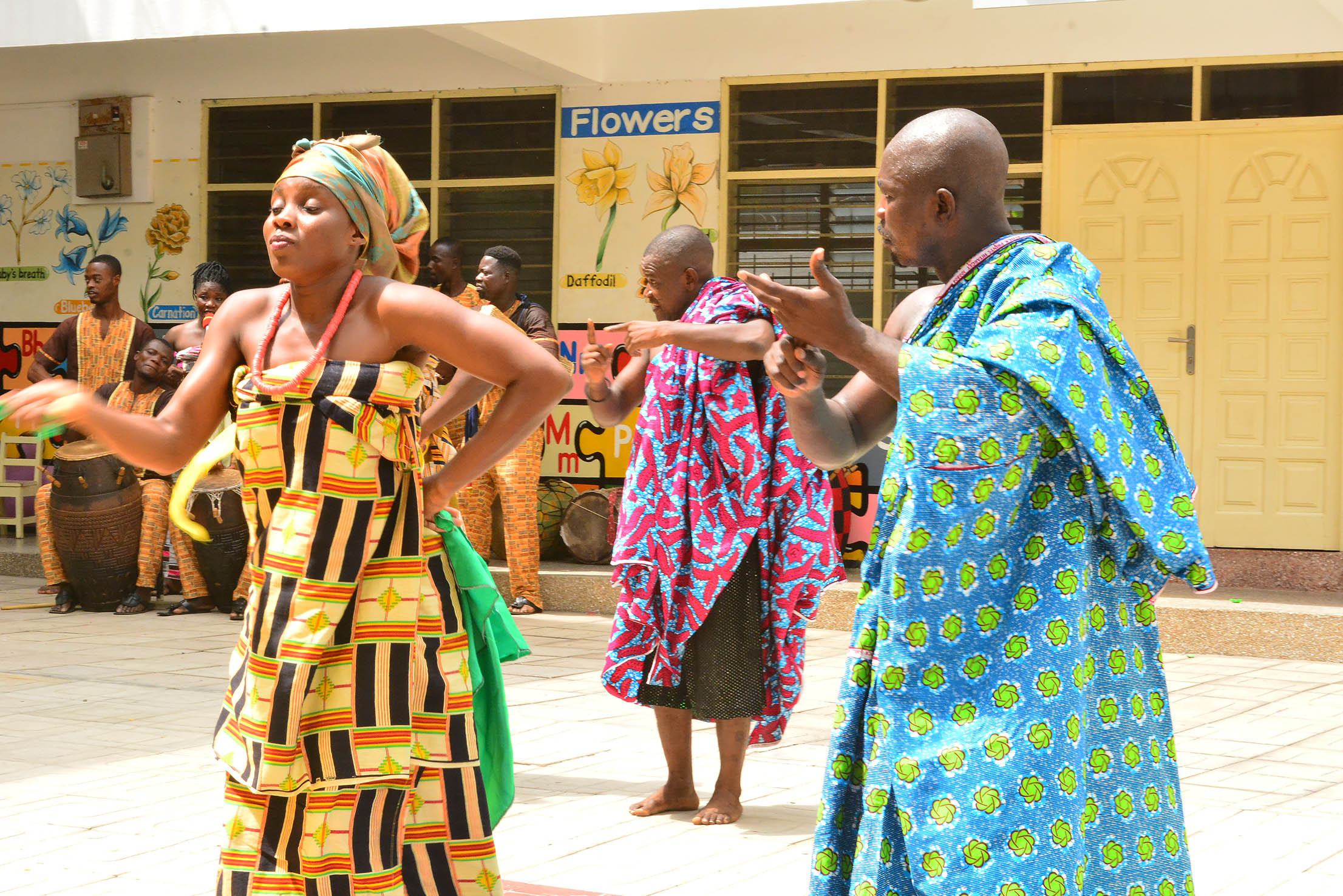

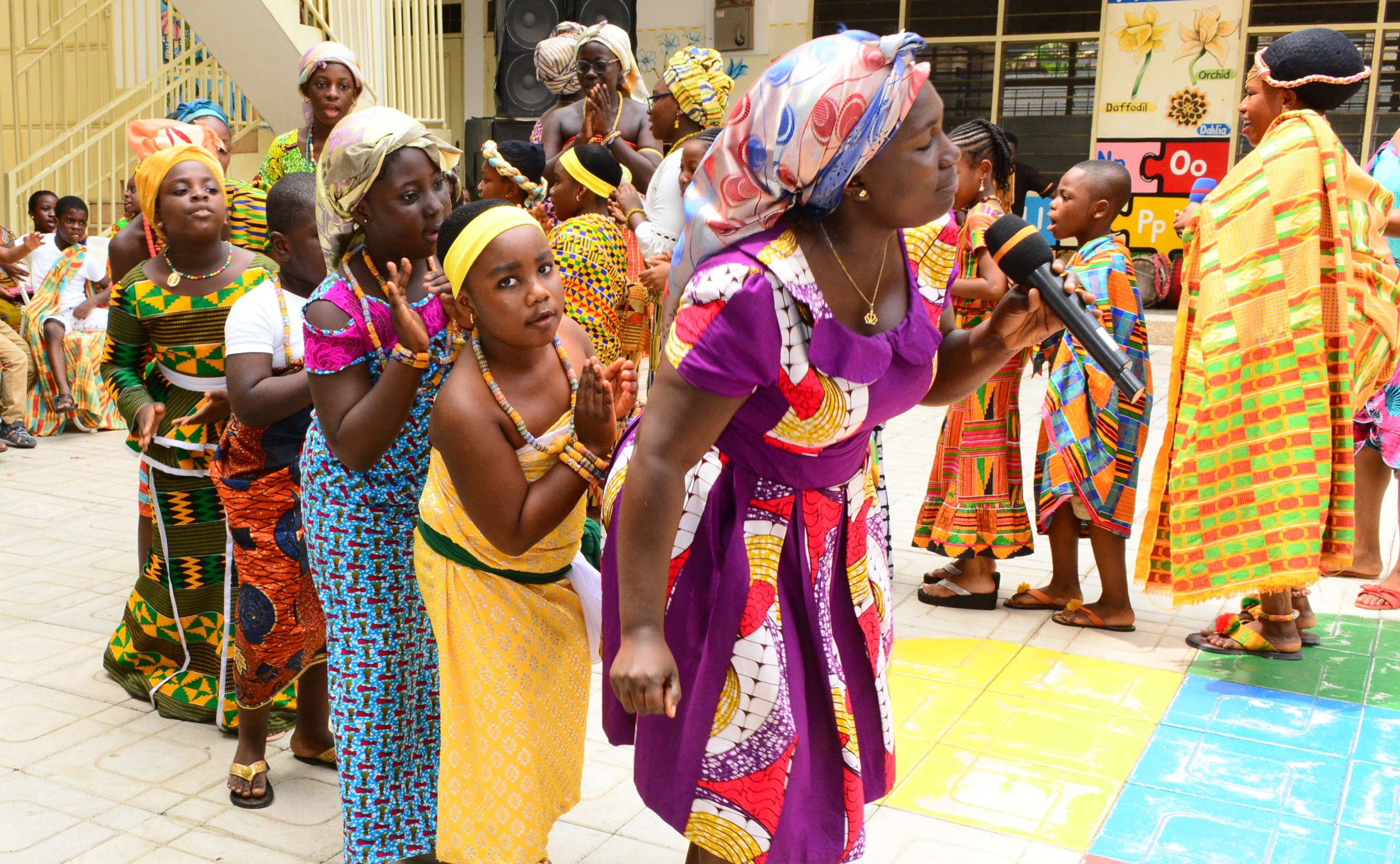
Discover the ultimate learning experience at Christ Ambassadors School of Excellence! Established in 1993 by remarkable educationist, Mrs. Esther Nimako-Boateng, we offer quality education to students from nursery to junior high school. Our aim is to provide a nurturing and safe environment that allows young minds to flourish and develop the skills they need to succeed in life. With a curriculum that is designed to promote academic excellence and a supportive atmosphere that encourages personal growth and development, our students are well-equipped to achieve their dreams. Join our community of learners and experience the difference at Christ Ambassadors School of Excellence!
Read More1. Introduction
1.1. School Overview
• Name of School: CHRIST AMBASADORS SCHOOL OF EXCELLENCE (CASE)
• Location: SOUTH ODORKOR ESTATES, ABLEKUMA WEST MUNICIPAL
• School Leadership:
MRS. ESTHER NIMAKO-BOATENG CEO/PROPRIETRESS
MRS. YVONNE OPOKU-AFARI DEPUTY CEO (ACADEMICS)
MRS. WENDY BORTO-AFFUL DEPUTY CEO (ADMINISTRATION)
DR. JOSEPH K. NIMAKO-BOATENG MEMBER OF BOARD OF TRUSTEES
MRS. NANA AMA ADU-KWAPONG MEMBER OF BOARD OF TRUSTEES
MR. KOFI BENTSIL MEMBER OF BOARD OF TRUSTEES
MRS. IVY NITA DICKENS HEADMISTRESS
MR. THOMAS KOJO MENSAH DEPUTY HEAD/HEAD OF ACADEMICS
MR. SYLVESTER AMANKRAH MEMBER (SCHOOL MANAGEMENT)
MR. SAMUEL ANTWI-ADJEI MEMBER (SCHOOL MANAGEMENT)
MRS. PATIENCE AMONOO MEMBER (SCHOOL MANAGEMENT)
MRS. EZABELLA BONNAH-NKANSAH MEMBER (SCHOOL MANAGEMENT)
MRS. ERNESTINA APPIAH MEMBER (SCHOOL MANAGEMENT)
MRS. JUDITH ARMAH MEMBER (SCHOOL MANAGEMENT)
MISS RITA APPIAH MEMBER (SCHOOL MANAGEMENT)
• School Vision:
• School Mission:
• Core Values: Consistency Honesty Resilience Inclusivity Synergy Tolerance (CHRIST)
1.2. Purpose of the School Development Plan
The purpose of this School Development Plan is to outline the strategic priorities and actions that CHRIST AMBASSADORS SCHOOL OF EXCELLENCE will undertake over the next ten years to achieve our educational objectives and improve student outcomes.
2.1. Current Situation Analysis
– Student Demographics:
Our current students’ population is six hundred with three departments. Namely Infantry, Primary and Junior High School. Most of our students are Ghanaian nationals with a few students from neighbouring countries.
– Staffing Levels:
The school has a staff strength of eighty (80) people. This number comprises of thirty-three female and sixteen male teachers. The remaining thirty-one staff serve in various capacities from the administration through the janitorial to the security.
– Academic Performance:
The school’s record in the Basic Education Certificate Examinations has been short of impressive. Since the school presented its first batch of candidates in 2018, the school has always and consistently been ranked among the top three schools in the whole of Ablekuma West Municipality.
This is even more impressive because of the fact that this municipality has one best and notable private schools in the Greater Accra Region.
| Year of Examination |
| |
|---|---|---|
| 2023 | 2nd | |
| 2022 | 3nd | |
| 2021 | 2nd | |
| 2020 | 1st | |
– Facilities:
The school has over thirty classrooms and currently constructing a new building which when completed will house the Lower and Upper secondary classes for our Cambridge programme. The school has a library, a functioning computer laboratory and a science laboratory for the lower classes.
When the new project is completed, it will have different laboratories for the various branches of science as well as a computer laboratory for the upper classes.
– Community Involvement:
Community service plays a vital role in societal development by addressing immediate needs and promoting long-term, sustainable change. In view of that, the school has partnered many NGOs including but not limited to Remar Ghana and YOA Foundations to support the less privileged children.
The school gives opportunity to its learners to full participate in this worthy cause either by donating or interacting with these marginalized children.
3. Strategic Plans (2024 -2034)
Short-Term Plan (1-2 Years)
1. Improve Student Performance
• Goal: The school envisages to increase student achievement in core subjects (e.g., Math, English, Science) by 50% within one academic year.
• Actions:
o Implement regular formative assessments to monitor student progress.
o Motivate teachers to be innovative in their approach to get the best from the learners
o Provide additional support classes or tutoring for students struggling with key subjects.
o Conduct professional development workshops focused on effective teaching strategies.
- Enhance Teacher Professional Development
- Goal: Ensure that all teachers participate in at least three professional development sessions per year.
- Actions:
- Identify and schedule relevant training sessions and workshops.
- Organize frequent in-service trainings and workshops for the teachers.
- Establish a mentorship program for new and inexperienced teachers.
- Encourage teachers to attend educational conferences and share insights with staff.
- Strengthen Community and Parental Involvement
- Goal: Increase parent participation in school events and meetings by 20%.
- Actions:
- Strengthen communication between the school and parents
- Organize regular parent-teacher conferences
- Launch a school newsletter or blog to keep parents informed and engaged.
- Upgrade School Facilities and Resources
- Goal: Improve the learning environment by upgrading all classrooms with modern technology such projectors.
- Actions:
- Conduct an inventory of current facilities and identify areas for improvement.
- Allocate budget for purchasing new equipment and renovating classrooms.
Midterm Plan (3-5 Years)
- Curriculum Enhancement
- Goal: Revise and update the school curriculum to better align with current educational standards and student needs.
- Actions:
- Form a curriculum committee to review and recommend changes to the current curriculum.
- Introduce new subjects such Spanish
- Incorporate project-based learning and experiential learning opportunities into the curriculum.
2. Improve Student Well-being and Support
• Goal: Develop a comprehensive student support system to address academic, social, and emotional needs.
• Actions:
o Hire counselors and establish a counselling unit.
o Implement anti-bullying programs and peer support groups.
o Conduct workshops on mental health awareness and stress management.
3. Expand Extracurricular Activities
• Goal: Increase student participation in extracurricular activities by 30%.
• Actions:
o Introduce new clubs and activities that cater for the diverse interests of learners
o Partner with Zuka Parks and Idrowhyte Event Centre to offer more extracurricular opportunities to learners.
o Provide recognition for students who actively participate in extracurricular activities.
4. Develop Staff Leadership and Succession Planning
• Goal: Identify and nurture future leaders among the teaching and administrative staff.
• Actions:
o Create leadership development programs and training for aspiring leaders.
o Establish clear career progression paths and succession plans.
o Encourage staff to take on leadership roles in projects and school initiatives.
5. Upgrade School Facilities
• Goal: Improve the learning experiences by embarking on frequent trips.
• Actions:
o Allocate budget for purchasing a new bus and renovating the existing one.
Long-Term Plan (6-10 Years)
1. Achieve Academic Excellence
• Goal: Position the school as a top-performing institution in Ghana.
• Actions:
o Continuously monitor and improve academic programs based on performance data and feedback.
o Establish partnerships with higher education institutions to offer advanced courses and dual-enrollment programs.
o Implement rigorous standards for student assessment and learning outcomes.
2. Expand School Infrastructure
- Goal: Construct additional facilities to accommodate growing student enrollment and program expansion.
- Actions:
- Develop a master plan for school expansion, including new buildings, sports facilities, and green spaces.
- Ensure that new facilities meet sustainable and environmentally friendly standards.
3. Foster Global Awareness and Cultural Competence
- Goal: Prepare students to thrive in a globalized world by integrating international perspectives into the curriculum.
- Actions:
- Establish foreign language programs and cultural exchange opportunities.
- Introduce global perspective programme as part of the core curriculum.
- Build partnerships with international schools for student and staff exchange programs.
4, Implement Technology Integration and Innovation
- Goal: Become a leader in educational technology and innovation.
- Actions:
- Integrate cutting-edge technology into all aspects of teaching and learning.
- Provide ongoing training for teachers on the use of educational technology.
- Develop an innovation lab or makerspace where students can explore STEM fields and entrepreneurship.
4. Implementation Plan
4.1. Roles and Responsibilities
• School Leadership Team:
Oversee the implementation of the School Development Plan and ensure alignment with the school’s mission and vision.
• Teachers:
Implement strategies in the classroom and participate in professional development.
• Support Staff:
Assist with logistical and operational aspects of the plan.
• Students:
Engage with the learning process and provide feedback on initiatives.
• Parents/Guardians:
Support the school’s efforts and participate in community engagement activities.
4.2. Resources Required
- Financial Resources: Make the needed budgetary allocations for professional development, technology, and facility improvements.
- Human Resources: Recruit the best staff needed to implement this plan, and provide support for re-training and staff development.
- Material Resources: Make available learning materials, technology, and other resources needed to support the plan.
4.3. Monitoring and Evaluation
– Monitoring: To ensure efficiency the school shall regularly track progress against the key actions and success indicators.
– Evaluation: Periodical reviews of the School Development Plan shall be carried out to assess effectiveness and make necessary adjustments where needed.
– Reporting: The various stakeholders shall be informed of the progress of the School Development Plan.
A curriculum is the combination of instructional practices, learning experiences, and students’ performance assessment that are designed to bring out and evaluate the target learning outcomes of a particular course. The curriculum is a plan of what is to be taught. It is a focus for what teachers do. CASE also believes there are three types of curricula: written, taught, and tested. (https://www1.udel.edu › files › de…)
At CASE, we run the Ghana Education Service Curriculum which aims making learners from the pre-tertiary education system fluent in Reading, wRiting, aRithmetic and cReativity, in addition to being developed into lifelong learners, who are digitally fluent.
The school anticipate to roll out the Cambridge International Curriculum in September 2023. This will present an opportunity to parents and guardians as well as our prospective leaners as the Cambridge international curriculum sets a global standard for education, and is also recognised by universities and employers worldwide.
A curriculum is the combination of instructional practices, learning experiences, and students' performance assessment that are designed to bring out and evaluate the target learning outcomes of a particular course. The curriculum is a plan of what is to be taught. It is a focus for what teachers do. CASE also believes there are three types of curricula: written, taught, and tested. (https://www1.udel.edu › files › de...)
At CASE, we run the Ghana Education Service Curriculum which aims making learners from the pre-tertiary education system fluent in Reading, wRiting, aRithmetic and cReativity, in addition to being developed into lifelong learners, who are digitally fluent.
The school anticipate to roll out the Cambridge International Curriculum in September 2023. This will present an opportunity to parents and guardians as well as our prospective leaners as the Cambridge international curriculum sets a global standard for education, and is also recognised by universities and employers worldwide.