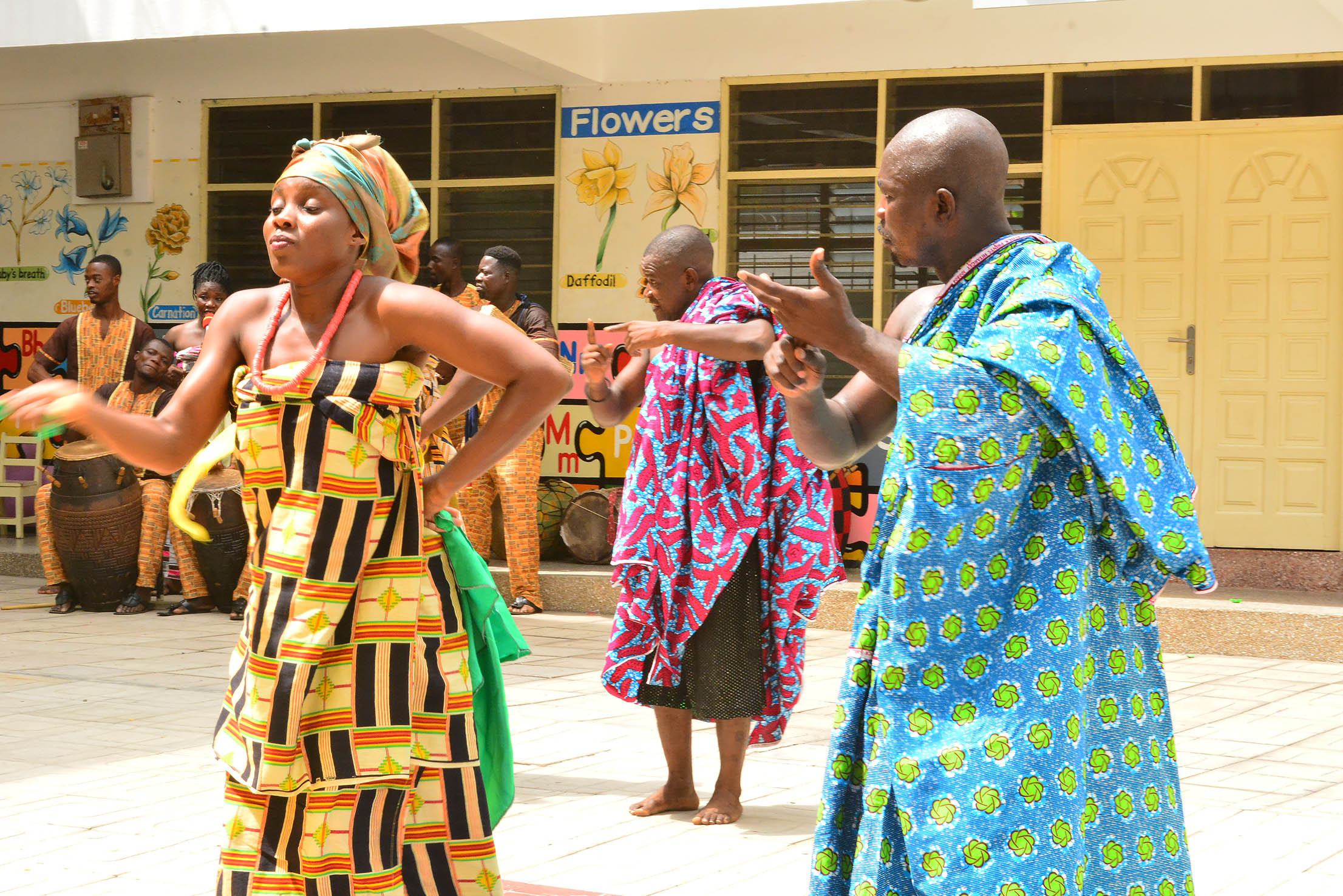
Discover the ultimate learning experience at Christ Ambassadors School of Excellence! Established in 1993 by remarkable educationist, Mrs. Esther Nimako-Boateng, we offer quality education to students from nursery to junior high school. Our aim is to provide a nurturing and safe environment that allows young minds to flourish and develop the skills they need to succeed in life. With a curriculum that is designed to promote academic excellence and a supportive atmosphere that encourages personal growth and development, our students are well-equipped to achieve their dreams. Join our community of learners and experience the difference at Christ Ambassadors School of Excellence!
Read More
Purpose
Purpose
The purpose of this Curriculum Policy is to provide a structured framework that ensures the delivery of a high-quality, inclusive, and balanced curriculum that meets the needs of all students. The policy aims to guide curriculum planning, implementation, and evaluation, ensuring that it aligns with the school’s mission, vision, and educational goals. CASE runs the Hybrid or Combined Curriculums.
Scope
Scope
This policy applies to all aspects of curriculum development and delivery at CHRIST AMBASSADORS SCHOOL OF EXCELLENCE, including but not limited to:
• Core academic subjects
• Extracurricular activities
• Assessment and evaluation practices
Principles
Principles
The curriculum at CHRIST AMBASSADORS SCHOOL OF EXCELLENCE is based on the following principles:
- Inclusivity: The curriculum is designed to be accessible to all students, regardless of their abilities, backgrounds, or learning needs.
- Relevance: The curriculum reflects the interests, experiences, and aspirations of students, preparing them for future challenges.
- Comprehensiveness: The curriculum provides a broad and balanced education that includes academic, physical, creative, and social development.
- Continuity: The curriculum is structured to ensure smooth progression from one stage of learning to the next, building on prior knowledge and skills.
- Collaboration: The development and delivery of the curriculum involve collaboration among staff, students, parents, and the school community.
Objectives
Objectives
The curriculum at CHRIST AMBASSADORS SCHOOL OF EXCELLENCE aims to:
• Provide students with the knowledge, skills, and attitudes necessary for success in life, further education, and employment.
• Promote critical thinking, creativity, and problem-solving abilities.
• Foster understanding and appreciation of cultural diversity and global citizenship.
• Encourage physical, emotional, and social well-being.
• Develop students' ability to communicate effectively in a variety of contexts.
• Cultivate a love of learning and a commitment to lifelong education.
• Above all instill Christ likeness
Curriculum Structure
5.1. Key Stages and Subject Areas
Curriculum Structure
5.1. Key Stages and Subject Areas
The curriculum is organized into 4 key stages, each with specific learning objectives and outcomes:
- Early Childhood Foundation (ECF): This stage focuses on holistic development, including literacy, numeracy, social skills, and physical development.
- Lower Primary (LP): Lower Primary comprises of Years 1 to 3 classes. At this stage the emphasis is placed on basic skills in reading, writing, and mathematics, alongside foundation subjects like Ghanaian Languages (Twi and Ga), Science, Art, and Physical Education. It also builds on ECF, with a broader curriculum that includes History and Geography.
- Upper Primary (UP): Upper Primary comprises of Years 4 to 6 classes. At this stage the focus is on building on the LP stage, with a broader curriculum that includes History, Geography, Languages, and more advanced Mathematics and Science.
- Secondary: This consists of Years 7 to 11. This is consolidation of the UP stage with the introduction of specialist subjects, preparing students for more focused study in later years. Preparing them for external examinations such as the GCSEs, with options for subject specialization.
5.2. Key Subjects
5.2. Key Subjects
- English Language: focusing on developing the reading, writing, speaking, and listening skills.
- Mathematics: Emphasis on numeracy, problem-solving, and mathematical reasoning.
- Humanities: Study of History, Geography, and Religious and Moral Education to develop an understanding of the world and its people.
- Languages: Introduction to and development of proficiency in Ghanaian languages and French as well as one or more other foreign languages.
- Physical Education: Promotion of physical health, fitness, and teamwork.
- Arts: Encouragement of creativity through Career Technology, Visual Arts, Music, Drama, and Dance.
- ICT: Providing unlimited access to resources and information and allow them to store, process and share all teaching and learning material through multiple electronic devices, and even create new content.
5.3. Extracurricular Activities
5.3. Extracurricular Activities
- Clubs: Offering opportunities for students to explore interests beyond the core curriculum.
- Sports and Physical Activities: Promoting teamwork, discipline, and physical health through various sports programs.
- Community Service:: Encouraging civic responsibility and community involvement through volunteer work and service projects.
6. Curriculum Planning and Delivery
6.1. Teaching and Learning Strategies
6. Curriculum Planning and Delivery
6.1. Teaching and Learning Strategies
- Differentiation: Adapting teaching methods and materials to meet the diverse needs of learners.
- Active Learning: Encouraging student participation through discussion, collaboration, and hands-on activities.
- Technology Integration: Utilizing digital tools and resources to enhance learning experiences.
- Formative Assessment: Ongoing assessment to inform teaching and provide feedback to students.
- Summative Assessment: Evaluating student learning at the end of a unit or course.
7. Assessment and Evaluation
7.1. Assessment Framework
7. Assessment and Evaluation
7.1. Assessment Framework
- Formative Assessment: Regular, informal assessments to monitor student progress and inform instruction.
- Summative Assessment: Formal evaluations at the end of units, terms, or academic years to measure achievement against curriculum standards.
- Standardized Testing: Participation in national or regional assessments as required by educational authorities.
7.2. Reporting and Feedback
7.2. Reporting and Feedback
- Student Reports: Regular updates to parents and students on academic progress, including strengths and areas for improvement.
- Parent-Teacher Conferences: This creates opportunities for parents to discuss with teachers their child’s progress and address any concerns.
- Student Self-Assessment: We encourage students to reflect on their learning and set personal goals.
8. Roles and Responsibilities
8.1. School Leadership
8. Roles and Responsibilities
8.1. School Leadership
- Head of Academics:Has the overall responsibility for curriculum development, implementation, and evaluation.
- Department Heads/Subject Leaders: Manage curriculum delivery within their subject areas, provide guidance to teachers, and monitor student outcomes.
8.2. Teachers
8.2. Teachers
- Curriculum Delivery:Implement the curriculum in the classroom, using effective teaching strategies and assessments.
- Professional Development: Engage in ongoing training to stay current with best practices in curriculum and instruction.
8.3. Support Staff
8.3. Support Staff
- Instructional Support:Assist teachers in delivering the curriculum through continuous in-service trainings
- Provision and Management of Resources: Ensure that teaching materials and resources are available and effectively used.
8.4. Student
8.4. Student
- Active Participation:Engage fully in learning activities, take responsibility for their own learning, and provide feedback on the curriculum.
- Goal Setting: Assist learners to set personal academic goals and work towards achieving them.
8.5. Parents/Guardians
8.5. Parents/Guardians
- Home Support: We admonish all parents and guardians to encourage and support their child’s learning at home and in collaboration with the school.
- Communication: We entreat all parents/guardians to maintain open communication with the school regarding their child’s progress and curriculum-related matters.
9. Communication of the Policy
9. Communication of the Policy
This Curriculum Policy will be communicated to all staff, students, and parents. It will be included in the staff handbook, made available on the school’s website, and discussed during parent meetings and school assemblies.
10. Review of the Policy
10. Review of the Policy
This policy will be reviewed annually by the School Leadership Team to ensure its continued relevance and effectiveness. Any changes to the policy will be approved by the School Board and communicated to all stakeholders.
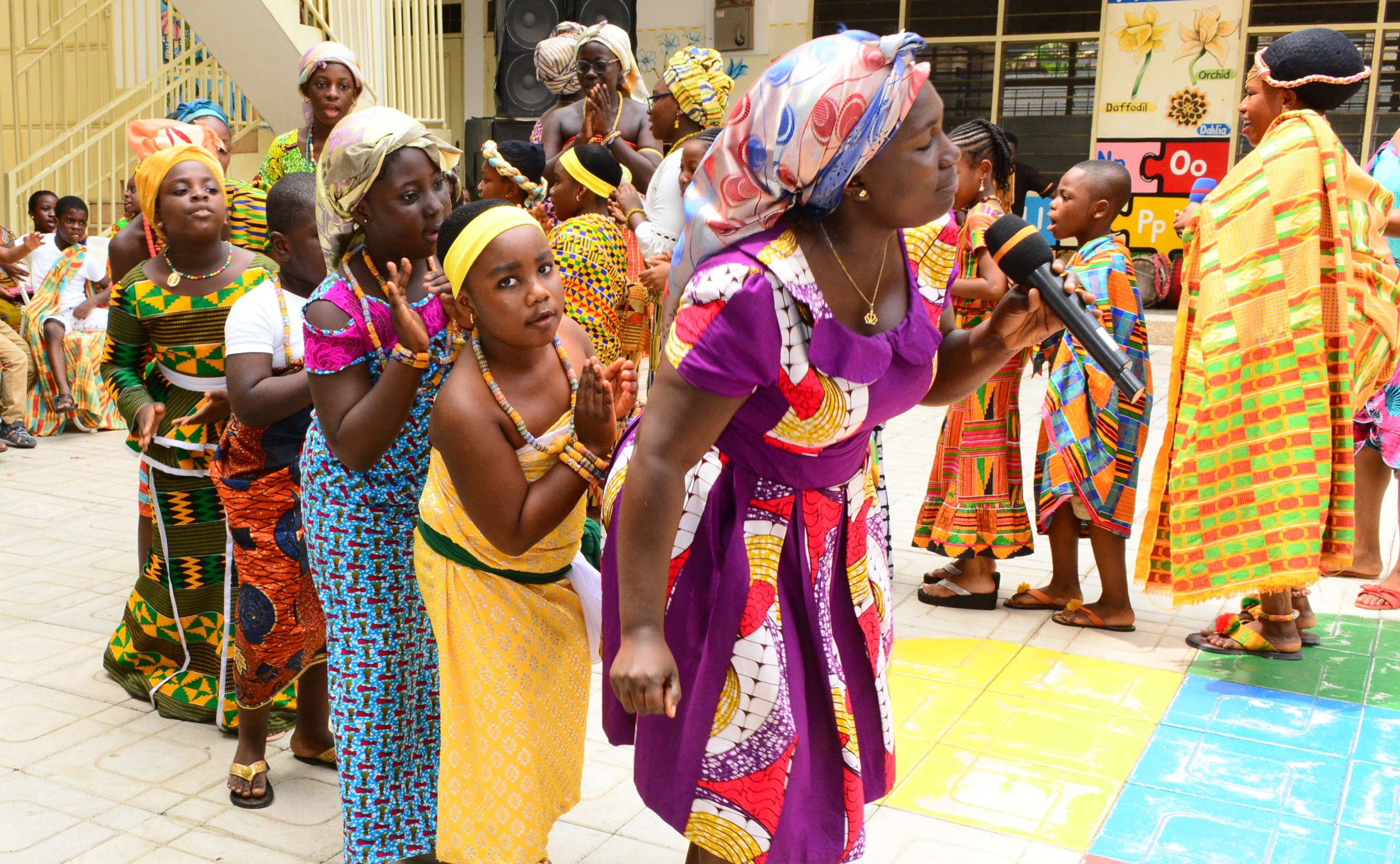
A curriculum is the combination of instructional practices, learning experiences, and students’ performance assessment that are designed to bring out and evaluate the target learning outcomes of a particular course. The curriculum is a plan of what is to be taught. It is a focus for what teachers do. CASE also believes there are three types of curricula: written, taught, and tested. (https://www1.udel.edu › files › de…)
At CASE, we run the Ghana Education Service Curriculum which aims making learners from the pre-tertiary education system fluent in Reading, wRiting, aRithmetic and cReativity, in addition to being developed into lifelong learners, who are digitally fluent.
The school anticipate to roll out the Cambridge International Curriculum in September 2023. This will present an opportunity to parents and guardians as well as our prospective leaners as the Cambridge international curriculum sets a global standard for education, and is also recognised by universities and employers worldwide.
A curriculum is the combination of instructional practices, learning experiences, and students' performance assessment that are designed to bring out and evaluate the target learning outcomes of a particular course. The curriculum is a plan of what is to be taught. It is a focus for what teachers do. CASE also believes there are three types of curricula: written, taught, and tested. (https://www1.udel.edu › files › de...)
At CASE, we run the Ghana Education Service Curriculum which aims making learners from the pre-tertiary education system fluent in Reading, wRiting, aRithmetic and cReativity, in addition to being developed into lifelong learners, who are digitally fluent.
The school anticipate to roll out the Cambridge International Curriculum in September 2023. This will present an opportunity to parents and guardians as well as our prospective leaners as the Cambridge international curriculum sets a global standard for education, and is also recognised by universities and employers worldwide.