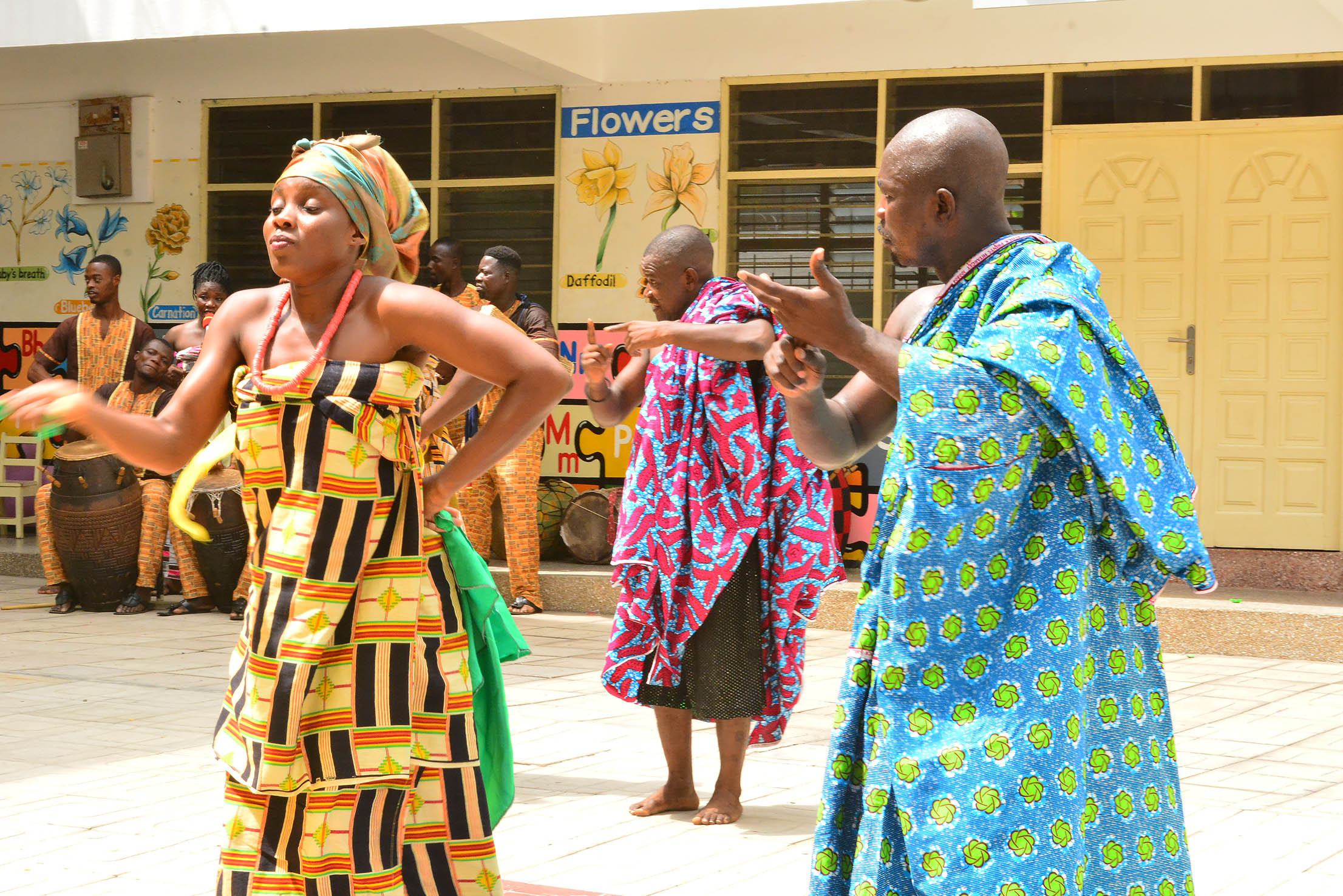

Discover the ultimate learning experience at Christ Ambassadors School of Excellence! Established in 1993 by remarkable educationist, Mrs. Esther Nimako-Boateng, we offer quality education to students from nursery to junior high school. Our aim is to provide a nurturing and safe environment that allows young minds to flourish and develop the skills they need to succeed in life. With a curriculum that is designed to promote academic excellence and a supportive atmosphere that encourages personal growth and development, our students are well-equipped to achieve their dreams. Join our community of learners and experience the difference at Christ Ambassadors School of Excellence!
Read More1. Purpose
The purpose of this Language Policy is to establish clear guidelines for language use and instruction within CHRIST AMBASSADORS SCHOOL OF EXCELLENCE. The policy aims at promoting linguistic diversity, foster effective communication, and support the academic and personal development of all students.
1.2. Scope
This policy applies to all students, teachers, administrative staff, and other stakeholders within the school community. It covers all aspects of language use, including instruction, communication, and extracurricular activities.
1.3. Objectives
- To ensure all students achieve proficiency in the language(s) of instruction.
- To support the development of students’ mother tongue and additional languages.
- To foster an appreciation for linguistic diversity and cultural understanding.
- To equip students with the language skills necessary for academic success and global citizenship.
2. Language of Instruction
2.1. Primary Language of Instruction
• CHRIST AMBASSADORS SCHOOL OF EXCELLENCE uses English Language as the primary language of instruction for all subjects, except when teaching Ghanaian Languages or French.
2.2. Additional Languages of Instruction
• The school offers courses in additional languages, including Twi, Ga and French as part of the regular curriculum. These courses are designed to provide students with the opportunity to learn and use languages other than the primary language of instruction.
3. Language Proficiency Goals
3.1. Proficiency in Primary Language
• Goal: All students will achieve a high level of proficiency in English Language by the time they complete their education at CHRIST AMBASSADORS SCHOOL OF EXCELLENCE.
• Strategies:
o Provide comprehensive language instruction across all grade levels.
o Regularly assess students’ language proficiency and provide targeted support where needed.
o Encourage reading, writing, speaking, and listening activities that enhance language skills.
3.2. Proficiency in Additional Languages
• Goal: Students will have the opportunity to become proficient in at least one additional language by graduation.
• Strategies:
o Offer language courses in Ghanaian Language starting from Year 1.
o Use immersive and interactive teaching methods to enhance language acquisition.
o Provide opportunities for students to practice additional languages through cultural exchange programs, language clubs, and extracurricular activities.
4. Support for Mother Tongue Languages
4.1. Recognition and Support
• Goal: Recognize and support the development of students’ mother tongue languages as a foundation for learning and personal identity.
• Strategies:
o Offer resources and support for students to develop and maintain their mother tongue languages.
o Encourage families to support mother tongue language development at home.
o Celebrate linguistic diversity through school events, cultural days, and multilingual activities.
4.2. Integration into the Curriculum
• Where feasible, the school shall integrate aspects of students’ mother tongue languages and cultures into the curriculum and classroom activities.
5. Language Support for Non-Native Speakers
5.1. English as a Second Language (ESL) / Language Support Programs
• Goal: The school aims at providing support for students who are non-native speakers of the primary language of instruction to ensure they can access the curriculum effectively.
• Strategies:
o Implement ESL or language support programs tailored to the needs of non-native speakers.
o Employ qualified ESL teachers and provide professional development on language support strategies.
o Regularly assess the progress of students in language support programs and adjust support as needed.
6. Promotion of Multilingualism and Cultural Awareness
6.1. Multilingual Education
• As part of the school’s commitment to global citizenship and intercultural understanding, we shall encourage the learning of multiple languages.
6.2. Cultural Activities and Exchange Programs
• We aim at organizing cultural activities, exchange programs, and partnerships with schools in other countries to expose students to different languages and cultures in future.
• We shall also celebrate international days and cultural festivals to foster an appreciation for linguistic diversity.
7. Communication Within the School Community
7.1. Language Use Among Staff and Students
• The school strongly encourages the use of the primary language of instruction for official communication within the school.
• The school again promotes respect for all languages spoken by students, staff, and families within the school community.
7.2. Communication with Parents and Guardians
• Provide communication to parents and guardians in the primary language of instruction and, where possible, in other languages spoken by the school community.
• Offer translation and interpretation services for parents and guardians who require them.
8. Professional Development for Staff
8.1. Language Training for Teachers
• Provide professional development opportunities for teachers to enhance their language teaching skills and strategies.
• Offer language proficiency courses for teachers who wish to improve their skills in the primary or additional languages of instruction.
8.2. Cultural Competency Training
• The school shall conduct mandatory training sessions to improve cultural competency and awareness among staff, helping them to support students from diverse linguistic and cultural backgrounds effectively.
9. Policy Review and Evaluation
9.1. Regular Review
• The Language Policy will be reviewed annually to ensure its effectiveness and alignment with the school’s goals and objectives.
9.2. Feedback and Continuous Improvement
• The school shall periodically collect feedback from students, staff, and parents to identify areas for improvement in language instruction and support.
• The necessary adjustments shall be made to the policy based on feedback and evaluation results

A curriculum is the combination of instructional practices, learning experiences, and students’ performance assessment that are designed to bring out and evaluate the target learning outcomes of a particular course. The curriculum is a plan of what is to be taught. It is a focus for what teachers do. CASE also believes there are three types of curricula: written, taught, and tested. (https://www1.udel.edu › files › de…)
At CASE, we run the Ghana Education Service Curriculum which aims making learners from the pre-tertiary education system fluent in Reading, wRiting, aRithmetic and cReativity, in addition to being developed into lifelong learners, who are digitally fluent.
The school anticipate to roll out the Cambridge International Curriculum in September 2023. This will present an opportunity to parents and guardians as well as our prospective leaners as the Cambridge international curriculum sets a global standard for education, and is also recognised by universities and employers worldwide.
A curriculum is the combination of instructional practices, learning experiences, and students' performance assessment that are designed to bring out and evaluate the target learning outcomes of a particular course. The curriculum is a plan of what is to be taught. It is a focus for what teachers do. CASE also believes there are three types of curricula: written, taught, and tested. (https://www1.udel.edu › files › de...)
At CASE, we run the Ghana Education Service Curriculum which aims making learners from the pre-tertiary education system fluent in Reading, wRiting, aRithmetic and cReativity, in addition to being developed into lifelong learners, who are digitally fluent.
The school anticipate to roll out the Cambridge International Curriculum in September 2023. This will present an opportunity to parents and guardians as well as our prospective leaners as the Cambridge international curriculum sets a global standard for education, and is also recognised by universities and employers worldwide.